
Explore Destinations
Sigiriya (The Lion Rock Fortress)
Rising 200 meters above the surrounding plains, Sigiriya stands as one of Sri Lanka’s most iconic UNESCO World Heritage Sites and a testament to ancient engineering brilliance. This 5th-century rock fortress, built by King Kashyapa, features stunning frescoes of celestial maidens painted on the western wall, intricate water gardens, and the remnants of a once-magnificent palace at the summit. The climb of 1,200 steps rewards visitors with breathtaking panoramic views of the surrounding jungle and distant mountains. The famous Mirror Wall, once polished to perfection, still bears ancient graffiti inscriptions dating back over a thousand years. At the base, symmetrical water gardens showcase sophisticated hydraulic systems that still function during the rainy season. The site’s strategic location and architectural ingenuity reflect the sophisticated civilization that thrived here centuries ago. Sunrise and sunset visits offer particularly magical experiences as golden light bathes the ancient rock. The surrounding area is rich with wildlife, including monkeys, peacocks, and various bird species. Sigiriya perfectly combines natural beauty, historical significance, and cultural heritage, making it an absolute must-visit destination. Plan at least half a day to fully explore this archaeological wonder and its museum.
Sigiriya (The Lion Rock Fortress)
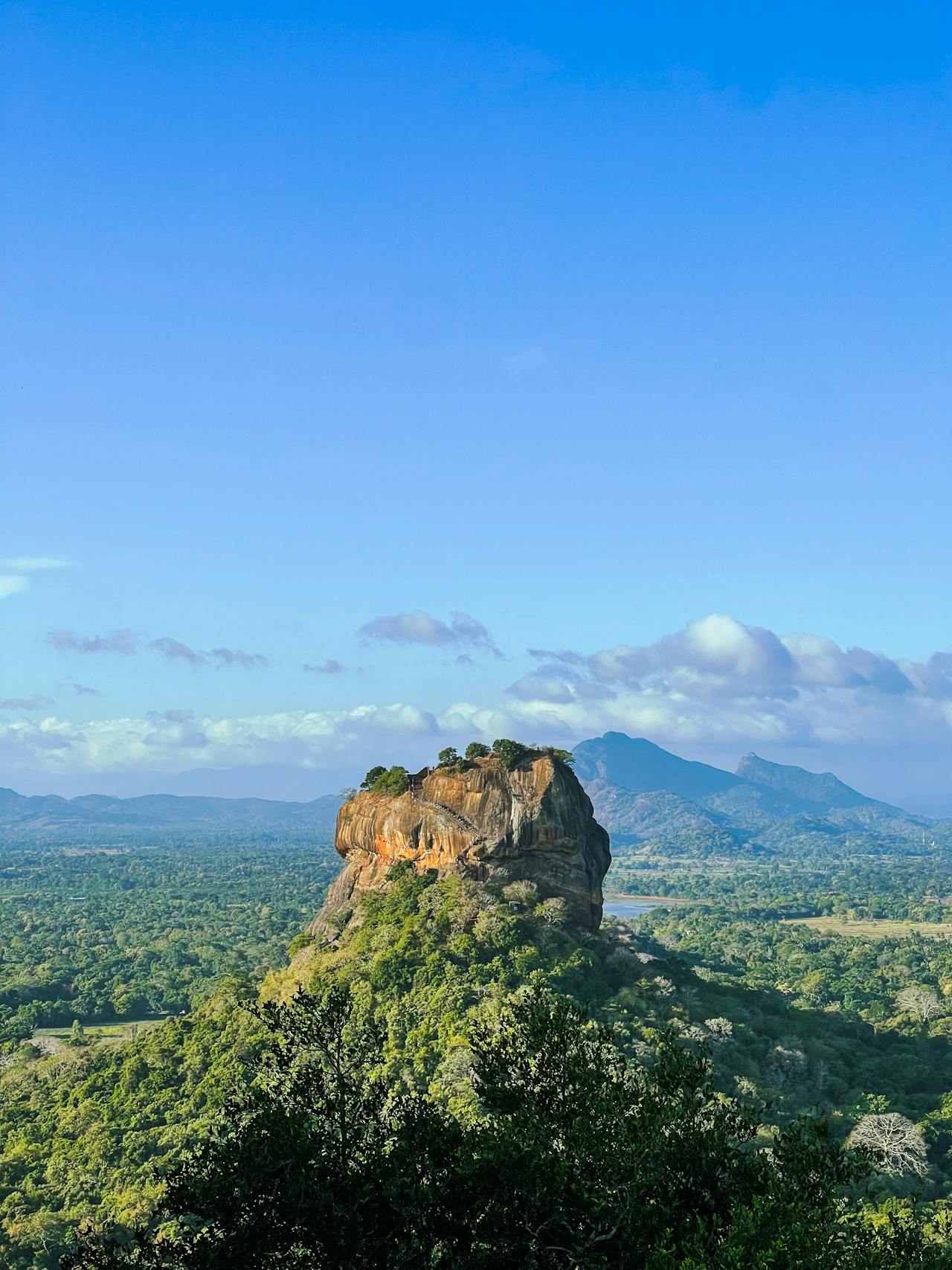
Rising 200 meters above the surrounding plains, Sigiriya stands as one of Sri Lanka’s most iconic UNESCO World Heritage Sites and a testament to ancient engineering brilliance. This 5th-century rock fortress, built by King Kashyapa, features stunning frescoes of celestial maidens painted on the western wall, intricate water gardens, and the remnants of a once-magnificent palace at the summit. The climb of 1,200 steps rewards visitors with breathtaking panoramic views of the surrounding jungle and distant mountains. The famous Mirror Wall, once polished to perfection, still bears ancient graffiti inscriptions dating back over a thousand years. At the base, symmetrical water gardens showcase sophisticated hydraulic systems that still function during the rainy season. The site’s strategic location and architectural ingenuity reflect the sophisticated civilization that thrived here centuries ago. Sunrise and sunset visits offer particularly magical experiences as golden light bathes the ancient rock. The surrounding area is rich with wildlife, including monkeys, peacocks, and various bird species. Sigiriya perfectly combines natural beauty, historical significance, and cultural heritage, making it an absolute must-visit destination. Plan at least half a day to fully explore this archaeological wonder and its museum.
Ella (The Heart of Hill Country)
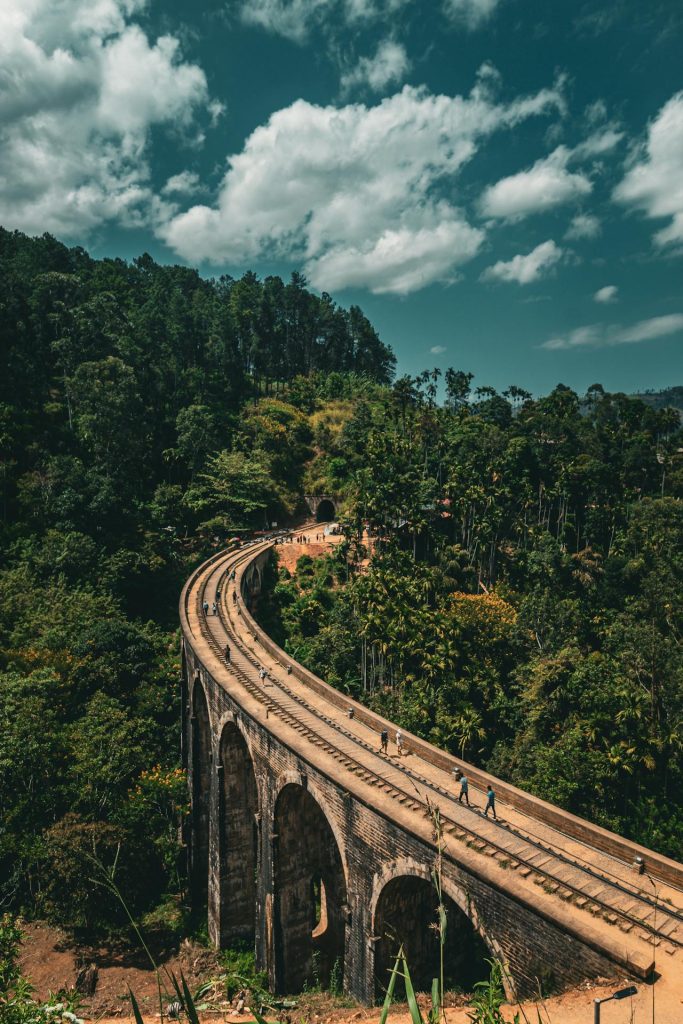
Nestled in Sri Lanka’s verdant central highlands, Ella is a charming mountain town that has captured the hearts of travelers worldwide with its stunning natural beauty and laid-back atmosphere. This picturesque destination sits at an elevation of 1,041 meters, offering cool climate, rolling tea plantations, and some of the island’s most breathtaking viewpoints. The iconic Nine Arch Bridge, an architectural marvel built entirely of stone and cement without steel, attracts photographers and Instagram enthusiasts from around the globe. Ella Rock and Little Adam’s Peak provide rewarding hiking experiences with spectacular panoramic vistas across valleys blanketed in emerald tea bushes. The town itself maintains a relaxed vibe with cozy cafes, boutique guesthouses, and friendly locals who embody true Sri Lankan hospitality. Ravana Falls, cascading from 25 meters, offers a refreshing stop and is steeped in ancient legends from the Ramayana epic. Adventure seekers can try zip-lining through the hills or take the world-famous train journey from Kandy, considered one of the most scenic rail routes globally. The surrounding tea estates welcome visitors for tours and tastings, providing insight into Ceylon tea production. Whether you’re seeking adventure, relaxation, or simply stunning mountain scenery, Ella delivers an unforgettable experience. The sunrise views from Ella Gap are particularly spectacular and shouldn’t be missed.
Ella (The Heart of Hill Country)
Ella (The Heart of Hill Country)
Nestled in Sri Lanka’s verdant central highlands, Ella is a charming mountain town that has captured the hearts of travelers worldwide with its stunning natural beauty and laid-back atmosphere. This picturesque destination sits at an elevation of 1,041 meters, offering cool climate, rolling tea plantations, and some of the island’s most breathtaking viewpoints. The iconic Nine Arch Bridge, an architectural marvel built entirely of stone and cement without steel, attracts photographers and Instagram enthusiasts from around the globe. Ella Rock and Little Adam’s Peak provide rewarding hiking experiences with spectacular panoramic vistas across valleys blanketed in emerald tea bushes. The town itself maintains a relaxed vibe with cozy cafes, boutique guesthouses, and friendly locals who embody true Sri Lankan hospitality. Ravana Falls, cascading from 25 meters, offers a refreshing stop and is steeped in ancient legends from the Ramayana epic. Adventure seekers can try zip-lining through the hills or take the world-famous train journey from Kandy, considered one of the most scenic rail routes globally. The surrounding tea estates welcome visitors for tours and tastings, providing insight into Ceylon tea production. Whether you’re seeking adventure, relaxation, or simply stunning mountain scenery, Ella delivers an unforgettable experience. The sunrise views from Ella Gap are particularly spectacular and shouldn’t be missed.
Down South (Coastal Paradise)
Sri Lanka’s Southern Coast is a sun-soaked paradise stretching from Galle to Tangalle, offering pristine beaches, colonial heritage, vibrant culture, and world-class surfing spots. This diverse region combines laid-back beach towns with historical landmarks, creating the perfect blend of relaxation and exploration for every type of traveler. Galle Fort, a UNESCO World Heritage Site, stands as a magnificent example of European colonial architecture blended with South Asian traditions, featuring cobblestone streets, boutique hotels, and charming cafes within 17th-century ramparts. The beaches of Unawatuna, Mirissa, and Weligama attract sun-seekers, swimmers, and water sports enthusiasts with their golden sands and turquoise waters protected by coral reefs. Mirissa serves as the island’s whale and dolphin watching capital, where boat tours between November and April offer thrilling encounters with blue whales, sperm whales, and playful dolphins. The coastal town of Hikkaduwa is famous for its coral reefs, vibrant nightlife, and excellent snorkeling and diving opportunities amidst colorful marine life. Traditional stilt fishermen near Weligama create iconic photo opportunities, though this practice has largely become a tourist attraction rather than an active fishing method. The region’s cuisine showcases the freshest seafood prepared with aromatic spices, from grilled fish to prawn curries served at beachfront restaurants. Inland excursions to turtle hatcheries, cinnamon plantations, and the Sinharaja Rainforest add ecological diversity to beach relaxation. Whether you’re seeking adventure, cultural immersion, or simply lounging under palm trees with a fresh king coconut, the Southern Coast delivers tropical bliss.
Down South (Coastal Paradise)
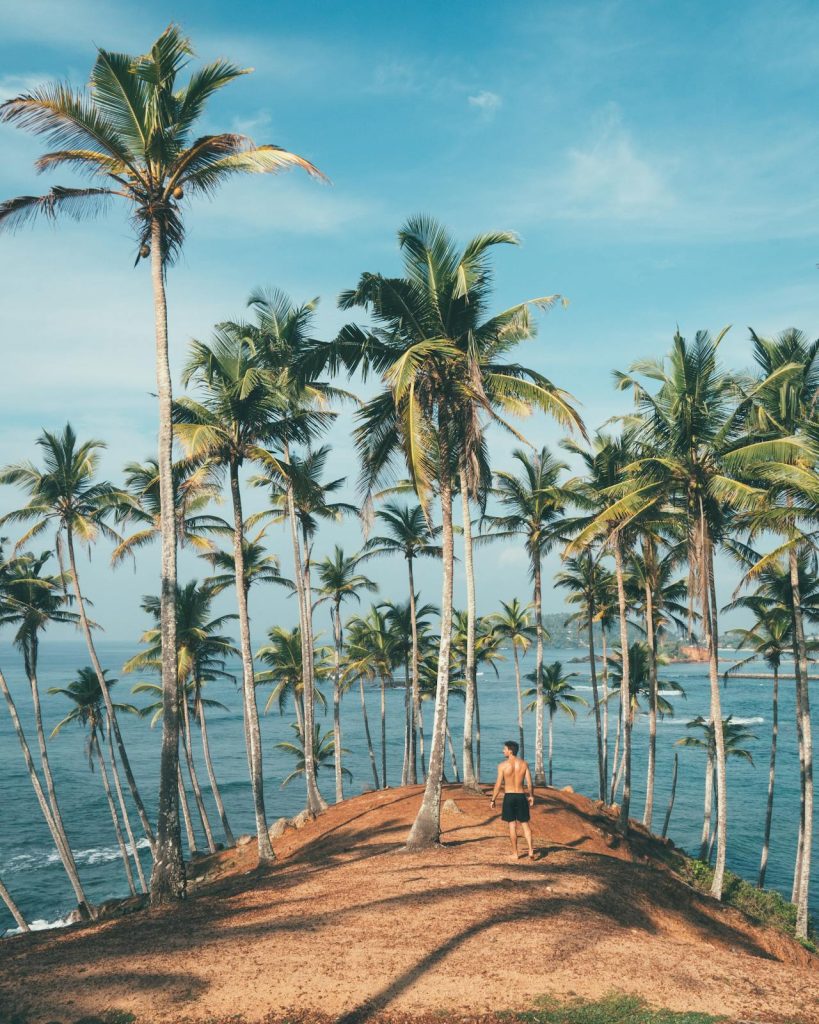
Sri Lanka’s Southern Coast is a sun-soaked paradise stretching from Galle to Tangalle, offering pristine beaches, colonial heritage, vibrant culture, and world-class surfing spots. This diverse region combines laid-back beach towns with historical landmarks, creating the perfect blend of relaxation and exploration for every type of traveler. Galle Fort, a UNESCO World Heritage Site, stands as a magnificent example of European colonial architecture blended with South Asian traditions, featuring cobblestone streets, boutique hotels, and charming cafes within 17th-century ramparts. The beaches of Unawatuna, Mirissa, and Weligama attract sun-seekers, swimmers, and water sports enthusiasts with their golden sands and turquoise waters protected by coral reefs. Mirissa serves as the island’s whale and dolphin watching capital, where boat tours between November and April offer thrilling encounters with blue whales, sperm whales, and playful dolphins. The coastal town of Hikkaduwa is famous for its coral reefs, vibrant nightlife, and excellent snorkeling and diving opportunities amidst colorful marine life. Traditional stilt fishermen near Weligama create iconic photo opportunities, though this practice has largely become a tourist attraction rather than an active fishing method. The region’s cuisine showcases the freshest seafood prepared with aromatic spices, from grilled fish to prawn curries served at beachfront restaurants. Inland excursions to turtle hatcheries, cinnamon plantations, and the Sinharaja Rainforest add ecological diversity to beach relaxation. Whether you’re seeking adventure, cultural immersion, or simply lounging under palm trees with a fresh king coconut, the Southern Coast delivers tropical bliss.
Anuradhapura (Ancient Capital & Sacred City)
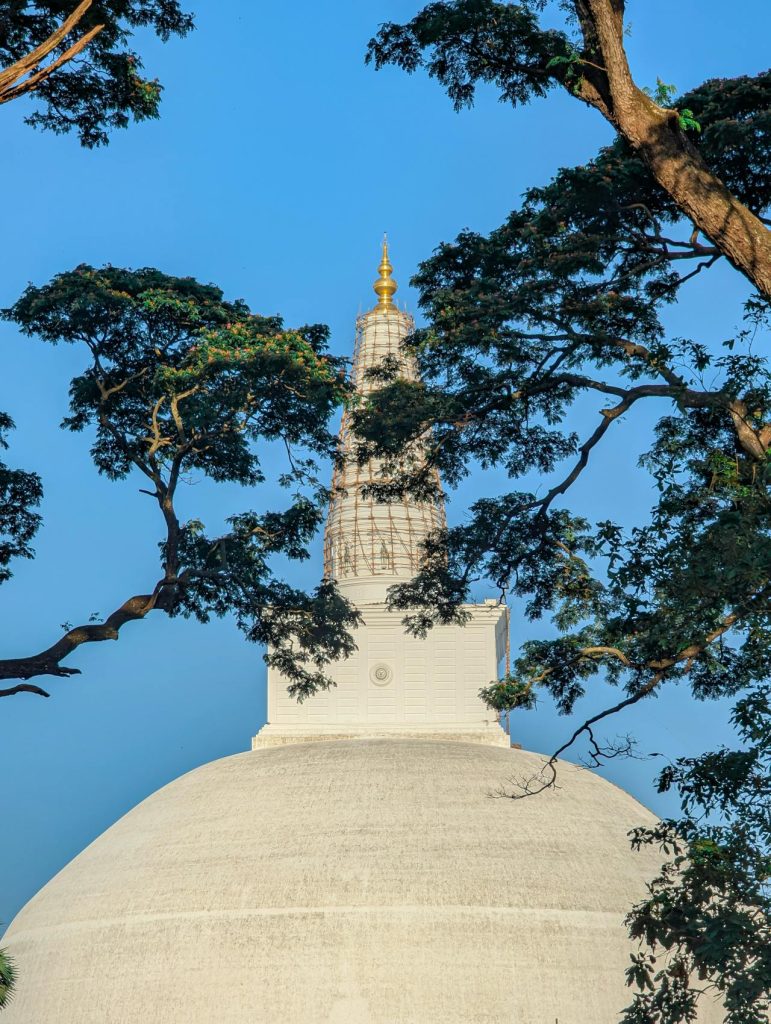
Anuradhapura, Sri Lanka’s first capital and one of the oldest continuously inhabited cities in the world, transports visitors back 2,500 years to a civilization of remarkable sophistication and Buddhist devotion. This sprawling UNESCO World Heritage Site covers over 40 square kilometers, featuring massive dagobas (stupas), ancient monasteries, intricate stone carvings, and elaborate irrigation systems that sustained a thriving kingdom. The sacred Sri Maha Bodhi tree, grown from a cutting of the tree under which Buddha attained enlightenment, is the world’s oldest documented tree with a known planting date of 288 BC and remains a pilgrimage site for Buddhists worldwide. Ruwanwelisaya, a magnificent white-domed stupa standing 103 meters tall, exemplifies ancient architectural brilliance and continues to dominate the city’s skyline with its imposing presence. The Jetavanarama dagoba, once among the tallest structures in the ancient world, demonstrates the engineering prowess of Sri Lankan civilization at its zenith. Moonstone carvings at palace and temple entrances showcase intricate artistry depicting the cycle of life and Buddhist philosophy in stunning detail. The twin ponds known as Kuttam Pokuna display advanced hydraulic engineering with their precise symmetry and underground water filtration systems still visible today. Abhayagiri Monastery complex, covering 235 hectares, housed thousands of monks and featured libraries, hospitals, and refectories that made it an international center of Buddhist learning. Exploring Anuradhapura requires at least a full day, preferably by bicycle or tuk-tuk to cover the vast distances between monuments. Visiting during early morning or late afternoon helps avoid the intense midday heat and provides the best lighting for photography.
Anuradhapura (Ancient Capital & Sacred City)
Polonnaruwa served as Sri Lanka’s second ancient capital from the 11th to 13th centuries and showcases some of the island’s best-preserved ruins, offering a more compact and accessible archaeological experience than Anuradhapura. This UNESCO World Heritage Site flourished under King Parakramabahu I, whose statue carved from granite still stands guard over the city he transformed into a magnificent medieval metropolis. The Royal Palace complex, though now in ruins, once stood seven stories high with a thousand rooms, and its remaining walls and architectural details hint at its former grandeur. Gal Vihara’s four stunning Buddha statues carved from a single granite wall represent the pinnacle of Sinhalese rock carving, with the 14-meter reclining Buddha displaying serene beauty and technical mastery. The Quadrangle (Dalada Maluwa) concentrates the city’s most significant religious monuments in a compact area, including the circular Vatadage with its exquisite moonstones and intricate guard stones. Parakrama Samudra, the vast “Sea of Parakrama,” is an ancient reservoir covering 2,400 hectares that demonstrates sophisticated irrigation engineering and still serves agricultural purposes today. The Lankathilaka and Thuparama temples showcase architectural innovation with their thick walls, corbelled roofs, and towering Buddha images that command reverence. Polonnaruwa’s relatively compact layout makes it ideal for exploration by bicycle, allowing visitors to experience multiple sites in a single day while enjoying the rural landscape. The site museum provides essential context about the Polonnaruwa kingdom’s rise, golden age, and eventual decline following South Indian invasions. Evening visits to the illuminated ruins create an atmospheric experience, though daytime exploration allows for better photography and architectural appreciation.
Polonnaruwa (Medieval Marvel)
Polonnaruwa served as Sri Lanka’s second ancient capital from the 11th to 13th centuries and showcases some of the island’s best-preserved ruins, offering a more compact and accessible archaeological experience than Anuradhapura. This UNESCO World Heritage Site flourished under King Parakramabahu I, whose statue carved from granite still stands guard over the city he transformed into a magnificent medieval metropolis. The Royal Palace complex, though now in ruins, once stood seven stories high with a thousand rooms, and its remaining walls and architectural details hint at its former grandeur. Gal Vihara’s four stunning Buddha statues carved from a single granite wall represent the pinnacle of Sinhalese rock carving, with the 14-meter reclining Buddha displaying serene beauty and technical mastery. The Quadrangle (Dalada Maluwa) concentrates the city’s most significant religious monuments in a compact area, including the circular Vatadage with its exquisite moonstones and intricate guard stones. Parakrama Samudra, the vast “Sea of Parakrama,” is an ancient reservoir covering 2,400 hectares that demonstrates sophisticated irrigation engineering and still serves agricultural purposes today. The Lankathilaka and Thuparama temples showcase architectural innovation with their thick walls, corbelled roofs, and towering Buddha images that command reverence. Polonnaruwa’s relatively compact layout makes it ideal for exploration by bicycle, allowing visitors to experience multiple sites in a single day while enjoying the rural landscape. The site museum provides essential context about the Polonnaruwa kingdom’s rise, golden age, and eventual decline following South Indian invasions. Evening visits to the illuminated ruins create an atmospheric experience, though daytime exploration allows for better photography and architectural appreciation.
Polonnaruwa (Medieval Marvel)
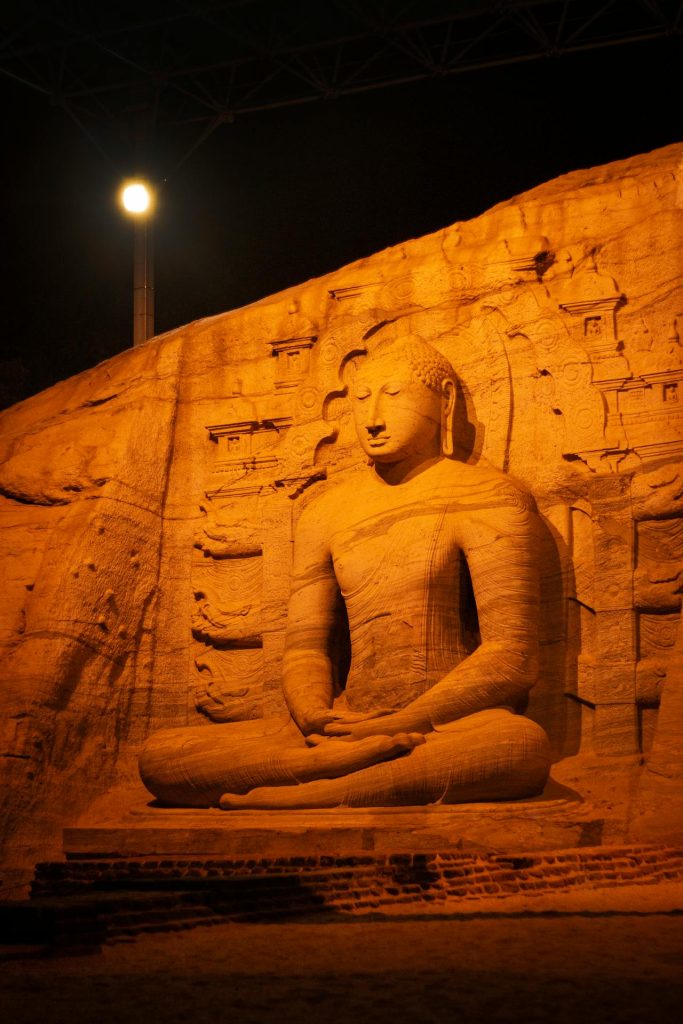
Polonnaruwa served as Sri Lanka’s second ancient capital from the 11th to 13th centuries and showcases some of the island’s best-preserved ruins, offering a more compact and accessible archaeological experience than Anuradhapura. This UNESCO World Heritage Site flourished under King Parakramabahu I, whose statue carved from granite still stands guard over the city he transformed into a magnificent medieval metropolis. The Royal Palace complex, though now in ruins, once stood seven stories high with a thousand rooms, and its remaining walls and architectural details hint at its former grandeur. Gal Vihara’s four stunning Buddha statues carved from a single granite wall represent the pinnacle of Sinhalese rock carving, with the 14-meter reclining Buddha displaying serene beauty and technical mastery. The Quadrangle (Dalada Maluwa) concentrates the city’s most significant religious monuments in a compact area, including the circular Vatadage with its exquisite moonstones and intricate guard stones. Parakrama Samudra, the vast “Sea of Parakrama,” is an ancient reservoir covering 2,400 hectares that demonstrates sophisticated irrigation engineering and still serves agricultural purposes today. The Lankathilaka and Thuparama temples showcase architectural innovation with their thick walls, corbelled roofs, and towering Buddha images that command reverence. Polonnaruwa’s relatively compact layout makes it ideal for exploration by bicycle, allowing visitors to experience multiple sites in a single day while enjoying the rural landscape. The site museum provides essential context about the Polonnaruwa kingdom’s rise, golden age, and eventual decline following South Indian invasions. Evening visits to the illuminated ruins create an atmospheric experience, though daytime exploration allows for better photography and architectural appreciation.
Dambulla Cave Temple (Ancient Rock Monastery)
The Dambulla Cave Temple, also known as the Golden Temple of Dambulla, ranks as Sri Lanka’s largest and best-preserved cave temple complex, housing over 150 Buddha statues and vivid murals spanning 2,100 years of continuous religious art. This UNESCO World Heritage Site, perched 160 meters above the surrounding plains atop a massive rock outcrop, comprises five main caves transformed into shrines filled with religious iconography and artwork. King Valagamba first consecrated these caves as a Buddhist monastery in the 1st century BC after finding refuge here during his exile, establishing a tradition of royal patronage and artistic embellishment that continued for centuries. Cave II (Maharaja Vihara), the largest and most impressive, spans 52 meters and features 56 Buddha statues including the magnificent 15-meter-long reclining Buddha carved from solid rock, plus intricate ceiling frescoes depicting Buddhist cosmology. The cave ceilings and walls contain over 2,000 square meters of painted murals illustrating Buddha’s life, Buddhist cosmology, and Sri Lankan history, with some paintings dating to the 18th century representing the final flourishing of Kandyan art. The caves maintain a profound spiritual atmosphere where local devotees still worship, offering flowers and lighting oil lamps before ancient statues that generations of pilgrims have venerated. Cave I (Devaraja Vihara) features a 14-meter-long reclining Buddha whose feet show remarkable detail, while Cave III (Maha Alut Vihara) contains 50 statues and was painted during the Kandyan period with particularly vivid colors. The climb of approximately 400 steps to reach the caves passes through tropical gardens and offers increasingly expansive views over the surrounding countryside and the golden Buddha statue visible from afar. Resident monkeys inhabit the area and occasionally interact with visitors, though feeding them is discouraged to maintain natural behaviors and prevent dependency. The adjacent Golden Temple with its enormous 30-meter golden Buddha statue and museum provide modern context to ancient traditions, though the caves themselves remain the authentic highlight worth at least two hours of exploration.
Dambulla Cave Temple (Ancient Rock Monastery)
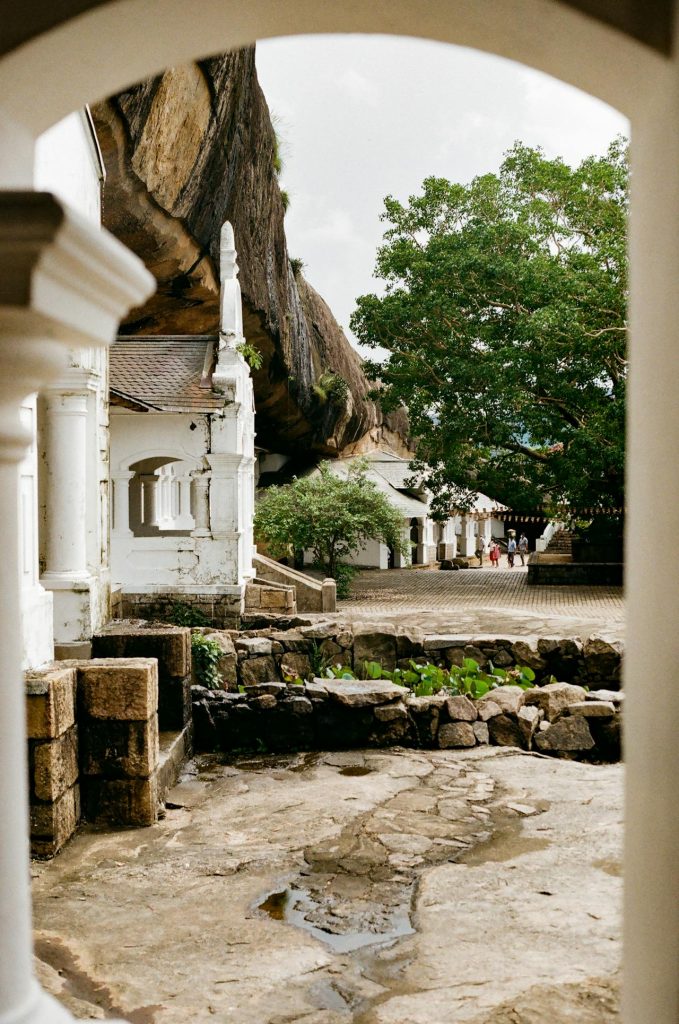
The Dambulla Cave Temple, also known as the Golden Temple of Dambulla, ranks as Sri Lanka’s largest and best-preserved cave temple complex, housing over 150 Buddha statues and vivid murals spanning 2,100 years of continuous religious art. This UNESCO World Heritage Site, perched 160 meters above the surrounding plains atop a massive rock outcrop, comprises five main caves transformed into shrines filled with religious iconography and artwork. King Valagamba first consecrated these caves as a Buddhist monastery in the 1st century BC after finding refuge here during his exile, establishing a tradition of royal patronage and artistic embellishment that continued for centuries. Cave II (Maharaja Vihara), the largest and most impressive, spans 52 meters and features 56 Buddha statues including the magnificent 15-meter-long reclining Buddha carved from solid rock, plus intricate ceiling frescoes depicting Buddhist cosmology. The cave ceilings and walls contain over 2,000 square meters of painted murals illustrating Buddha’s life, Buddhist cosmology, and Sri Lankan history, with some paintings dating to the 18th century representing the final flourishing of Kandyan art. The caves maintain a profound spiritual atmosphere where local devotees still worship, offering flowers and lighting oil lamps before ancient statues that generations of pilgrims have venerated. Cave I (Devaraja Vihara) features a 14-meter-long reclining Buddha whose feet show remarkable detail, while Cave III (Maha Alut Vihara) contains 50 statues and was painted during the Kandyan period with particularly vivid colors. The climb of approximately 400 steps to reach the caves passes through tropical gardens and offers increasingly expansive views over the surrounding countryside and the golden Buddha statue visible from afar. Resident monkeys inhabit the area and occasionally interact with visitors, though feeding them is discouraged to maintain natural behaviors and prevent dependency. The adjacent Golden Temple with its enormous 30-meter golden Buddha statue and museum provide modern context to ancient traditions, though the caves themselves remain the authentic highlight worth at least two hours of exploration.
Pinnawala (Elephant Orphanage & Conservation)
Pinnawala Elephant Orphanage offers one of Sri Lanka’s most heartwarming wildlife experiences, providing sanctuary to orphaned, abandoned, and injured elephants since 1975. Located in the verdant Sabaragamuwa Province, this conservation facility has successfully bred captive elephants and currently houses one of the world’s largest herds of captive elephants, with over 80 individuals spanning multiple generations. Visitors can witness the twice-daily ritual of elephants bathing in the nearby Ma Oya River, a joyful spectacle where these gentle giants playfully splash and socialize in their natural element. The orphanage’s feeding times allow close observation of baby elephants being bottle-fed, creating memorable photo opportunities and emotional connections with these magnificent creatures. Educational programs inform visitors about elephant behavior, conservation challenges, and the facility’s breeding success stories that have contributed significantly to elephant preservation. The surrounding village has developed a symbiotic relationship with the orphanage, with local shops and restaurants offering elephant-themed products and authentic Sri Lankan cuisine. Pinnawala also produces paper made from elephant dung, an eco-friendly souvenir initiative that supports conservation efforts. The best visiting times are during feeding hours (9:15 AM and 1:15 PM) and bathing sessions (10 AM and 2 PM) when elephant activity is at its peak. While some conservation debates exist, the orphanage continues to play a vital role in caring for elephants that cannot survive in the wild. This experience offers families and wildlife enthusiasts an educational and touching encounter with Asia’s largest land mammals.
Pinnawala (Elephant Orphanage & Conservation)
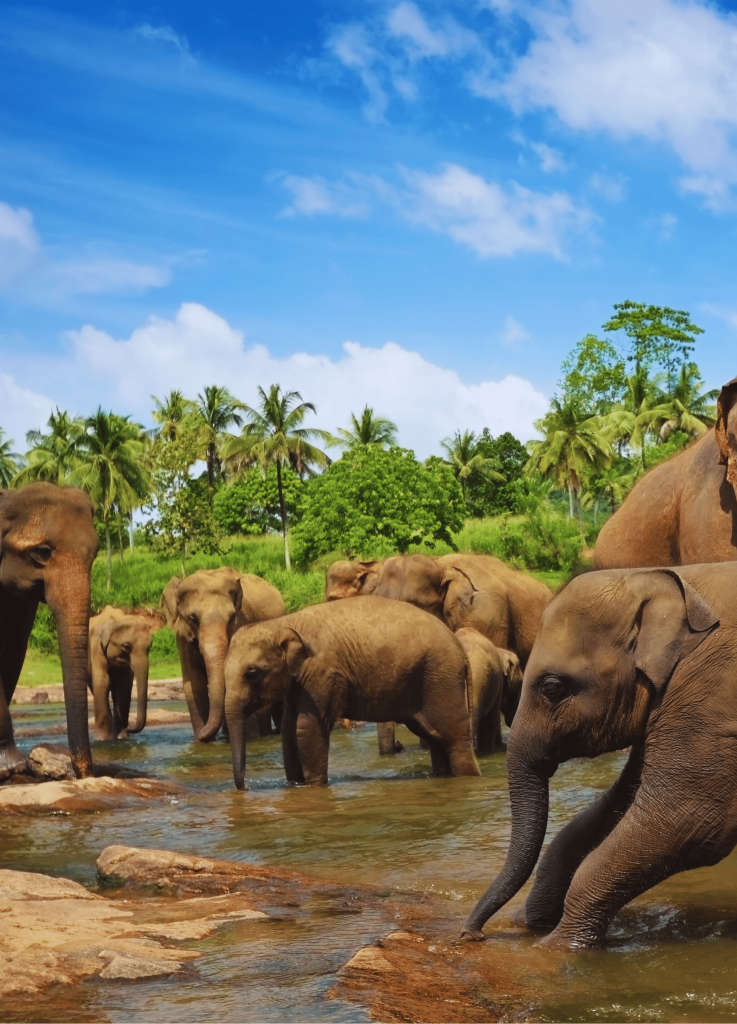
Pinnawala Elephant Orphanage offers one of Sri Lanka’s most heartwarming wildlife experiences, providing sanctuary to orphaned, abandoned, and injured elephants since 1975. Located in the verdant Sabaragamuwa Province, this conservation facility has successfully bred captive elephants and currently houses one of the world’s largest herds of captive elephants, with over 80 individuals spanning multiple generations. Visitors can witness the twice-daily ritual of elephants bathing in the nearby Ma Oya River, a joyful spectacle where these gentle giants playfully splash and socialize in their natural element. The orphanage’s feeding times allow close observation of baby elephants being bottle-fed, creating memorable photo opportunities and emotional connections with these magnificent creatures. Educational programs inform visitors about elephant behavior, conservation challenges, and the facility’s breeding success stories that have contributed significantly to elephant preservation. The surrounding village has developed a symbiotic relationship with the orphanage, with local shops and restaurants offering elephant-themed products and authentic Sri Lankan cuisine. Pinnawala also produces paper made from elephant dung, an eco-friendly souvenir initiative that supports conservation efforts. The best visiting times are during feeding hours (9:15 AM and 1:15 PM) and bathing sessions (10 AM and 2 PM) when elephant activity is at its peak. While some conservation debates exist, the orphanage continues to play a vital role in caring for elephants that cannot survive in the wild. This experience offers families and wildlife enthusiasts an educational and touching encounter with Asia’s largest land mammals.
Wilpattu (Wilderness Safari Paradise)
Wilpattu National Park, Sri Lanka’s largest and one of its oldest wildlife sanctuaries, offers an authentic safari experience through dense scrub jungle, natural lakes, and diverse ecosystems teeming with endemic and migratory species. Covering 1,317 square kilometers in the northwest lowlands, this park is characterized by its unique “villus”—natural water basins filled during monsoons that attract wildlife and create perfect game-viewing opportunities. Wilpattu is renowned for its thriving leopard population, offering some of the best chances in Sri Lanka to spot these elusive big cats lounging on rocks or prowling through undergrowth. The park’s biodiversity extends to elephants, sloth bears, spotted deer, sambar, wild boar, water buffalo, and over 30 species of mammals creating a photographer’s paradise. Bird enthusiasts can identify over 200 avian species including painted storks, peacocks, eagles, and numerous water birds congregating around the villus during dry season. Unlike more crowded parks, Wilpattu maintains a remote, wild atmosphere with fewer vehicles, allowing for more intimate wildlife encounters and undisturbed nature observation. Ancient archaeological sites scattered throughout the park, including Kali Villu and Manikkapola Uttu ruins, add historical depth to wildlife adventures. The best visiting season runs from February to October when water sources concentrate wildlife and roads remain accessible after monsoon rains. Half-day and full-day safaris in open-top jeeps with experienced trackers maximize wildlife sightings while respecting conservation protocols and animal welfare. Wilpattu’s raw wilderness and authentic safari experience appeal to those seeking adventure beyond typical tourist circuits.
Wilpattu (Wilderness Safari Paradise)
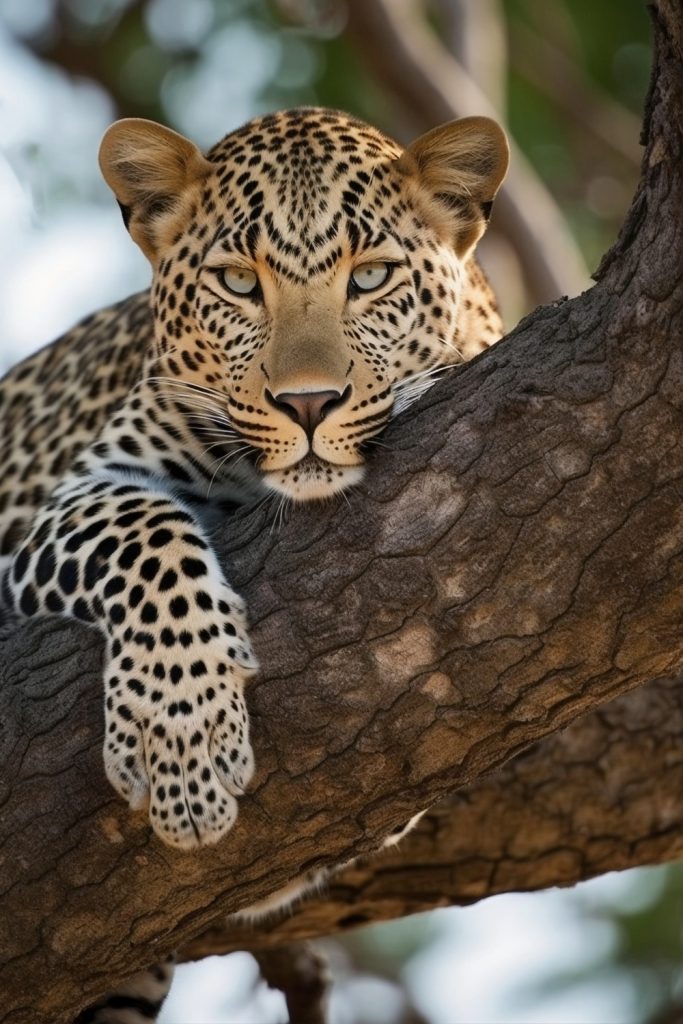
Wilpattu National Park, Sri Lanka’s largest and one of its oldest wildlife sanctuaries, offers an authentic safari experience through dense scrub jungle, natural lakes, and diverse ecosystems teeming with endemic and migratory species. Covering 1,317 square kilometers in the northwest lowlands, this park is characterized by its unique “villus”—natural water basins filled during monsoons that attract wildlife and create perfect game-viewing opportunities. Wilpattu is renowned for its thriving leopard population, offering some of the best chances in Sri Lanka to spot these elusive big cats lounging on rocks or prowling through undergrowth. The park’s biodiversity extends to elephants, sloth bears, spotted deer, sambar, wild boar, water buffalo, and over 30 species of mammals creating a photographer’s paradise. Bird enthusiasts can identify over 200 avian species including painted storks, peacocks, eagles, and numerous water birds congregating around the villus during dry season. Unlike more crowded parks, Wilpattu maintains a remote, wild atmosphere with fewer vehicles, allowing for more intimate wildlife encounters and undisturbed nature observation. Ancient archaeological sites scattered throughout the park, including Kali Villu and Manikkapola Uttu ruins, add historical depth to wildlife adventures. The best visiting season runs from February to October when water sources concentrate wildlife and roads remain accessible after monsoon rains. Half-day and full-day safaris in open-top jeeps with experienced trackers maximize wildlife sightings while respecting conservation protocols and animal welfare. Wilpattu’s raw wilderness and authentic safari experience appeal to those seeking adventure beyond typical tourist circuits.

Useful Links
Our Luxury Offerings
- Corporate Transportation
- Airport Transfers
- Wedding & Special Events
- Personal Rides & Daily Commutes
- Tourist Excursion
- Long-Distance Tours
Locate Us
Location
Delgoda, Gampaha, Sri Lanka
Contact
+94 77 721 0357
info@oseltacabsandtours.com
Location
Delgoda, Gampaha, Sri Lanka
Contact
+94 77 721 0357 info@oseltacabsandtours.com

Useful Links
Our Luxury Offerings
- Corporate Transportation
- Airport Transfers
- Wedding & Special Events
- Personal Rides & Daily Commutes
- Tourist Excursion
- Long-Distance Tours